
Have you ever taken a moment to think about your thumbs? They may be small, but they’re mighty! Your thumbs play an important role in almost everything you do with your hands—from opening a jar and turning a key to buttoning a shirt, writing, gardening, and using your phone.
Thanks to the unique joint at the base of the thumb, called the CMC (carpometacarpal) joint, your thumb can move in several directions and rotate to meet your fingers. This allows you to pinch, grip, grasp, and manipulate objects in ways that would be difficult without your thumbs.
All that movement also means your thumbs can take on a lot of stress throughout the day. If you already have thumb pain, arthritis, an injury, or another thumb problem, certain activities may put even more strain on painful or irritated joints.
The good news is that a few simple changes in how you use your hands can help. Here are three things to avoid—or modify—to give your thumbs a break.
3 Activities to Avoid for Thumb Problems
Here are three activities to avoid if you want to minimize stress and damage to your thumbs:
1. Putting Too Much Pressure on Your Thumbs
Putting a lot of pressure through your thumbs, such as during push-ups, pushing yourself up from a chair, or opening a heavy door, can put extra stress on painful thumb joints.
Instead, try to spread the pressure across your hand. Use your palms when pushing yourself up, or make a fist during certain exercises rather than placing your hand flat. Small changes in hand position can help reduce unnecessary strain on your thumbs.
2. Using Your Thumb for Heavy Pinching and Gripping
Everyday tasks like opening jars, turning a tight key, or squeezing a spray bottle can require more thumb strength than you realize. Forceful pinching and gripping can put extra stress on painful thumb joints, especially the CMC joint at the base of the thumb.
Instead, look for ways to use less force. Try a rubber jar opener, choose tools with larger handles, and use both hands when lifting or carrying heavier objects. Small changes can take some of the workload off your thumbs.
3. Repeating the Same Thumb Motion Over and Over
Repeated thumb motions like texting, scrolling, gaming, crafting, or using hand tools can lead to fatigue and aggravate thumb pain.
Instead, give your thumbs regular breaks and change how you perform repetitive tasks. Try voice-to-text, scroll with your index finger instead of your thumb, or switch to a full-size keyboard for longer messages. If you notice increasing pain or fatigue, take a break or change activities.
Learn More on How to Relieve Your Thumb Pain? Download Our Guide
Can a Thumb Brace Help?
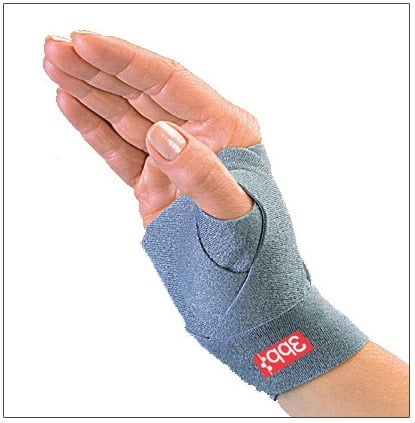
Along with modifying painful activities, there are splints and braces to help relieve pain. For light support, the 3pp ThumSling is a great option for gentle support and compression to help reduce slipping and grinding on the joint.
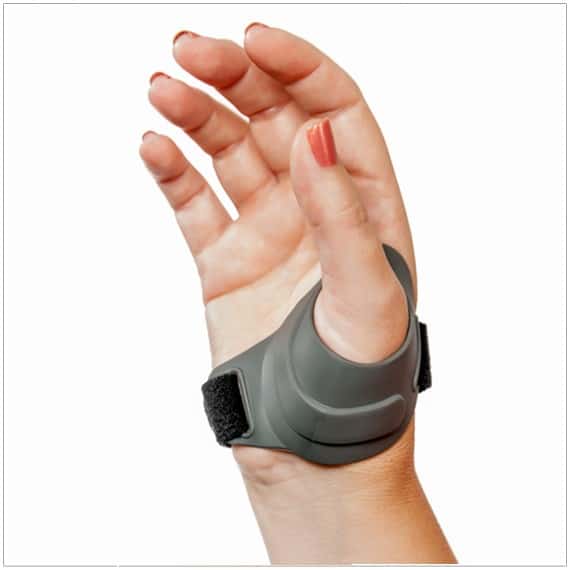
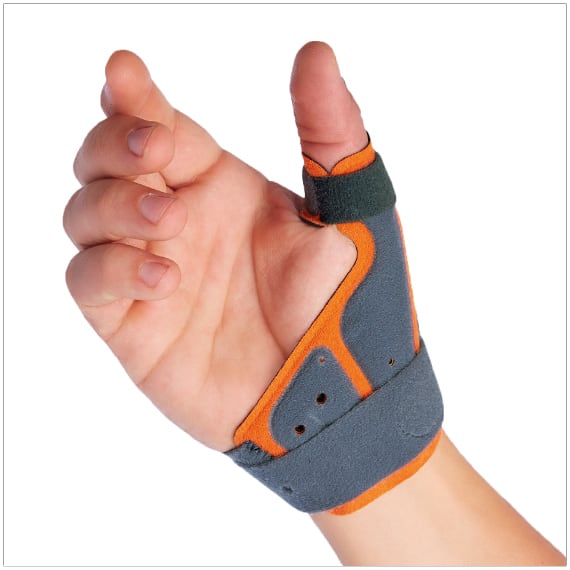
For moderate or firm support, the CMCcare Thumb Brace or the Fix Comfort Thumb Brace are designed to help protect and stabilize the thumb while still allowing functional hand movement.


Give Your Thumbs a Break
Your thumbs work hard every day, often without you even realizing it. Small changes—using your palm instead of your thumb to push, reducing forceful pinching and gripping, and taking breaks from repetitive thumb movements—can help reduce unnecessary stress.
You don’t have to stop doing the things you enjoy. Instead, look for ways to make everyday activities a little easier on your thumbs.
After all, your thumbs do a lot for you. It’s worth taking good care of them!
Like what you’ve read? Click here to subscribe to the blog!
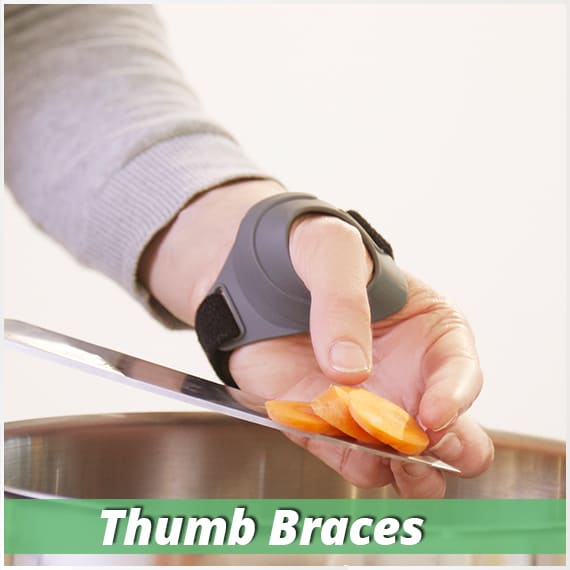
Learn More About Our Thumb Braces
Click on the image below
Our blogs are educational in nature and are not intended as a substitute for medical advice. Because your condition is unique to you, it is recommended that you consult with your health care provider before attempting any medical or therapeutic treatments. We are always happy to answer questions about products mentioned in our blogs, however, we cannot provide a diagnosis or medical advice.

Written by:
Ginny Wolfe has been part of the OMA team for more than 10 years, creating educational content about arthritis, injuries, various health conditions and conservative treatment options. She works closely with hand therapists and orthopedic product specialists to develop clear, accurate resources that help readers better understand their conditions and the products that may help. The information on OMA is educational and not a substitute for professional medical advice.